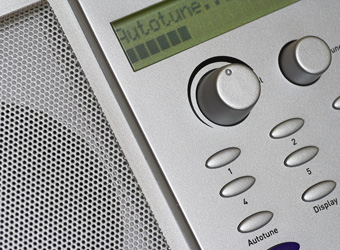

Digital radio sales hit highest ever figures

Commercial Radio Australia (CRA) today announced the results of its ’2013 Digital Radio Industry Report’, finding that sales figures for digital radios have soared to record highs, with adoption exceeding industry expectations.

Now in its fourth year, the Report tracks the status of digital radio in Australia under the DAB+ standard. The main findings of the 2013 Report include:

  • Almost 1.5 million people listen on a DAB+ device each week, an increase of about 25%,
  • time spent listening to radio via the DAB+ platform is more than double that of time spent listening to radio over the internet,
  • the biggest quarterly jump in sales of digital radios wads recored over the 2012 Christmas and new year retail period, with more than 1.2 million devices having been sold since August 2009,
  • almost 14,000 DAB+ enabled vehicles have been sold, and
  • household penetration is currently at 15.2%, with that expected to reach 18% by June 2014.


Where people listen: digital radio vs total

Location


Reach of digital radio by age group

Reach by age


Time spent listening to digital radio by age group

TSL by age


Digital radio penetration reaches one in ten households

Digital radio uptake has exceeded forecasts with almost 400,000 units sold in the past year, bringing penetration of the device to one in ten households.

The growth exceeded forecasts from PWC prompting the management consultants to update their forecast of DAB+ digital radio household penetration to 16% by December 2013 and 18% by June 2014.

According to Commercial Radio Australia’s (CRA) ‘Digital Radio Industry Report 2012’, the final quarter of 2011 and the January sales period were responsible for the hike in numbers with 180,546 devices sold, the highest jump in sales recorded to date.

CEO of the CRA, Joan Warner, attributes the increase in sales to promotion of the device through retail outlets and via ads on the radio itself. “Digital radio sales and listening have increased despite one of the worst retail climates for decades,” Warner says. “The commercial radio industry has invested in the promotion of digital radio and worked very hard with retailers.  We’ve put our money where our mouth is and used our medium to tell our listeners about digital radio.”

On the back of the increase in penetration, is an increase in listening rates, with time spent listening to radio via a digital device at 12 hours and 20 minutes per week, an increase of almost eight hours since digital radio listening was first surveyed in 2009. There are now 1.2 million people, or 9.4% of radio listeners, listening to digital radio each week.

Warner adds that “extensive work is also underway on the planning for digital radio rollout to regional Australia” as the CRA turns its attention to making digital available to all areas of the country.


Australian radio scores 8.95% revenue increase

Commercial radio has continued its advertising renaissance with an 8.95% increase in revenue across major metropolitan markets.

According to figures from Commercial Radio Australia, the radio industry turned over $62.52 million in October, with over 12% revenue growth in both Brisbane and Sydney.

Michael Burrows, a jingle writer and director of radio specialist agency Brand Music, is not surprised the figures, and has definitely noticed an increase in business.

“I have no doubt it’s gone up,” Burrows tells Marketing magazine. “Its affordable, it’s competitive. People are realising the medium still has a reach, you can interact, it works well combined with digital and the programming is really targeted to audiences, so it will keep growing.

Burrows believes radio programmers have responded well to declines in radio audience and the threat of digital radio and podcasting by delivering more targeted programming for niche markets.

“Radio are having to sharpen their tools and make it more audience specific,” he tells Marketing magazine. “There’s no longer the model of just one comedian or one group of entertainers, stations can’t be one trick show ponies anymore. This has made the industry less about clutter and more about targeted programs that reach people, and advertisers are suddenly flocking to it.

Burrows isn’t sold on digital radio yet, though, and says the industry is still in its infancy in Australia.

I don’t know if it’s going to take off. Once you put visuals on a radio, it becomes TV to me. I’m yet to proven the benefits of digital. I think the medium is growing, though.”

The question remains, then, will we see a report about digital radio revenue soon, or is the old model too set to shake?

Darwin decide on digital radio

Digital radio is on trial in Darwin, according to Commercial Radio Australia (CRA) and Grant Broadcasters.

The channels included in the trial are Hot 100 and Mix 104.9 and a digital only service called Top Country NT. The signal has started at low power for the trial and will be broadcast from Broadcast Australia’s Deloraine Road transmission tower.

CRA CEO, Joan Warner said that the trial in Darwin indicated that regional commercial broadcasters are enthusiastic to provide digital radio services to their clients and listeners.

Grant Cameron, director of Grant Broadcasters agreed with Warner’s comments: “We also want to demonstrate to Canberra that people and broadcasters in regional Australia are just as interested in digital radio as those in the five capital cities that have already been given the right to have permanent digital radio services.”

Permanent full power digital radio services were introduced in Sydney, Melbourne, Brisbane, Adelaide and Perth in August 2009, with Canberra beginning their trial in July 2010. Recently released figures indicate that 523,000 people are listening to digital radio across the five markets.

A bouquet of digital radios for Mum

Digital Radio has launched a campaign targeting Mother’s Day gift-givers.

The campaign runs across 42 commercial radio stations and online, promoting a digital radio receiver as the perfect gift for mums and will be on high rotation. It will also be promoted in stores stocking digital radios through POS signage and DVDs.

Commercial Radio Australia (CRA) CEO, Joan Warner, said recently released digital radio research commissioned by CRA showed 63% of Australians were aware digital radio had launched in Australia and 69% would buy a digital radio for all the new features.

“The aim of these new ads is to target the 40% of people that in our research said they would buy a digital radio in the next 12 months by highlighting three of the digital radio features: new DAB+ only programming, sound quality and the pause and rewind feature available on some digital radios,” said Warner.

The ads were written by specialist radio agency Eardrum. You can hear them here.

AC/DC tour promoted with its own station

AC/DC’s tour to be promoted with its on radio band.


Coinciding with Austereo’s acquisition of more digital radio spectrum, it will promote AC/DC’s current Australian tour with its own station dedicated to the band’s music. The selection will include hits, live and rare tracks.

The station, High Voltage, will be in operation for four weeks. It will be broadcast on DAB+ and online at Triplem.com.au.

Digital Radio provides such great flexibility we can create short-term formats to celebrate events and also create content to meet immediate client needs, said Austereo’s head of digital strategy Jeremy Macvean.

Austereo listeners get real-time control

Austereo has announced the launch of a digital radio station and ‘online live streaming portal’ that allows listeners control over the playlist in real time.

Hot30 Jelli, an extension of the Today Network’s Hot 30 Countdown, is a multiplayer web-based game that lets listeners control the songs that go on the air, joining forces with US organisation Jelli in a radio partnership.

From Monday 7 December the digital radio broadcast will crossover to FM each weeknight on 2Day FM in Sydney from 10pm until midnight – the first time that an FM playlist has been controlled in real time by its audience.

“The Hot 30 Jelli online community decides which songs go to air next, down to the second. This initiative demonstrates how interactive technology can further involve audiences in their radio stations, while integrating across multiple platforms,” said Austereo’s head of digital strategy Jeremy Macvean

All I want for Christmas is a digital radio?

Commercial Radio Australia has rolled out the next phase of its $10 million digital radio awareness campaign, pitching a digital radio as the perfect Christmas gift.

The campaign will rollout across radio and online, airing on over 40 commercial radio stations in the five digital radio metro markets: Sydney, Melbourne, Brisbane, Perth and Adelaide. All commercial radio stations in these markets are simulcasting in digital and analogue.

“Consumer awareness of digital radio is high. Since the radios hit the stores in May, sales have exceeded our expectations and we’re already seeing another peak in unit sales in the lead up to Christmas,” said Dave MacKenzie, retail chain Dick Smith’s audio buyer. 

Commercial Radio Australia CEO, Joan Warner, said the first digital radio under $100 is expected to encourage listeners to try digital radio. MacKenzie echoed this sentiment:


“Most of the interest has been in digital radios at lower price points. With digital radios now a similar price to a standard FM radio, they make a great gift option this year. For example, Dick Smith is the only retailer stocking the kaiser baas digital radio, which is less than $90 and we expect this will be a popular choice this Christmas.”

Commercial Radio Australia will release its industry report in early 2010, detailing who’s listening, the sales of digital receivers and national awareness of digital radio.

Content standards finalised for digital radio

Commercial Radio Australia (CRA) has released its Commercial Content Standards for advertising on DAB+ digital radio.

The Standards have been finalised after draft standards were released to the industry for comment last year, following consultations with companies such as ARN, Austereo, DMG, Fairfax Radio, Audionet, DubSat, Music Point, DStar, Adstream and Fairfax Digital.

CRA also announced that a software package called Piñata that links all aspects of the Commercial Content Standards – audio, text, images, scripts and an audit file – is in its final stages of development by the Commercial Content Standards Group (CCSG).

“The finalised Standards will give confidence to the advertising sector that the radio industry has a reliable digital radio production process and hopefully it will encourage further digital radio advertising innovation from the industry,” said Joan Warner, chief executive officer of CRA.

The Standards and software Piñata will be explained to the industry in detail at the National Radio Conference and information on the Standards will also be integrated into CRA’s second series of upcoming Digital Radio Creative Workshops accredited by the Advertising Federation of Australia and open to the advertising industry.

Radio United for digital launch

More than 40 radio stations in Sydney, Melbourne, Brisbane, Perth and Adelaide put rivalries aside and broadcast simultaneously to promote the launch of digital radio in Australia.

It is reported that the launch would have a combined potential audience of more than 8.5 million people.

The event, billed as ‘Radio United’, saw the competitive commercial sector broadcasting side by side with commercial counterparts and public service broadcasters in the central city locations.

In what Commercial Radio Australia called a world first, the metropolitan commercial radio industry effectively road blocked Australian metropolitan radio, when they simultaneously broadcast a four-minute audio piece featuring competing commercial breakfast show presenters in each market describing their most memorable radio moment or a moment they would like to hear in the future, over a re-working of the John Farnham song ‘You’re the Voice’.

Commercial Radio Australia chief executive officer Joan Warner indicated that the aim of the outside broadcasts and the audio piece was to demonstrate the importance of radio in Australian listeners’ lives.

“The industry has united for this event and in the audio piece to illustrate the power of radio broadcasting and the effect it has on people,” said Warner.

Each city location had a digital radio ‘Listener Post’ where digital radio manufacturers such as Roberts, Sangean, Yamaha, iRiver, Bush, Revo, Grundig and Pure showcased a range of digital radios and enabled listeners to hear and see digital radio on a variety of different receivers.

Digital radio is free and with no subscription fees or signing up – however consumers are required to purchase a digital radio to receive transmissions.

Metro radio ad revenue drops

The 2008/09 financial year proved difficult for metropolitan radio, with national sales sliding 3.28%.

Sydney was hit worst with a 9.44% decline, followed by Adelaide’s 3.44% drop and Brisbane’s 2.43% fall. Melbourne and Perth bucked the trend, growing 1.68% and 0.93% respectively.

Joan Warner, chief executive of Commercial Radio Australia, said the Sydney market had proven unpredictable for all media companies since business and consumer confidence fell two years ago.

We are really pointing out that radio is doing pretty well in tough, tough times… the New South Wales economy is not really the best economy in Australia and that is widely acknowledged, Warner said.

Efi Richter, head broadcast media buyer at Mediacom, agreed saying the radio market had fared better than television in terms of revenue for the year. Mediacoms projections for 08/09 were for radio revenue to dip 4%, television 9% and newspapers by 11%.

Richter continued, saying that television networks had lowered their rates to ensure advertising quota was maintained, while radio had struggled to attract enough advertisers:

They [radio stations] have definitely got the retail dollars, but in tough economic times it seems like people go to what is safe and they know, and TV delivers that, Richter said.

Emotional media: building brand on radio

You’re sitting in your car in peak hour traffic on your way home listening to two idiots talk about ‘crazy things their ex’s have done’. You can’t see them but you know they’ve got heads like dog poo because they’re radio announcers. If they were good-looking they’d be on TV.

The only exceptions to this rule are Hamish and Andy. The fact that Andy dates supermodel Megan Gale is probably enough evidence he hasn’t got a face like a shrivelled piece of fruit. The thing is though, you’re still listening despite the fact it’s all drivel. And that is what makes the stations money. You little statistic you.

Luckily for the ugly ones, radio listeners are very loyal. Most generally pick a station and stick to it and, thanks to Melbourne/Sydney/Dubai’s traffic problems; we often end up listening for hours.

It is also an emotional media. We tend to get attached to the people and actually want to know what their husband/wife said in bed last night. It makes us feel better about ourselves. These little, personal aspects connect us as humans.

However, there are some shocking radio ads out there. Think droning voices or high-pitched squeals that are equally painful to listen to, or people trying to imitate animals or tacky American accents. And I am soooo sick of the telephone voice treatment used on anything to give it a more ‘interesting’ twist, but when everything has it….

Although it’s possible to run a successful radio campaign, and God knows many do, there are a few issues with radio as an advertising medium that ought to be discussed.

  1. Why is it so hard to build a brand on radio? Is it because it lacks the visual aspect? Can it really be successful in a sphere other than as a retail driver?
  2. Commercial radio stations are generally very similar – I defy you to define the difference between FOX and Triple M for instance – so where is the scope in selecting a target market? Stations need to differentiate themselves and stop being so blinkingly unoriginal. I liked Nova when it first started, but it’s now simply another FOX with different characters.
  3. There is also the issue of appropriateness of ads. Children and 40 year olds are going to be listening to the same station. How do you handle complaints from a tearful mother that her eight-year-old daughter knows all the words to a premature ejaculation ad?
  4. Where have all the jingles gone? They are a fantastic marketing tool but have virtually been ignored in recent years due to apparent intellectual snobbery. Jingles are one of the easiest ways to define a brand and get people to remember it.

The reality is that radio can occasionally be a quite cost-effective way of advertising. It is one of the most powerful rapid attack forces for business and can hold its own against its big brother, TV. Or can it? Comments?