


Share
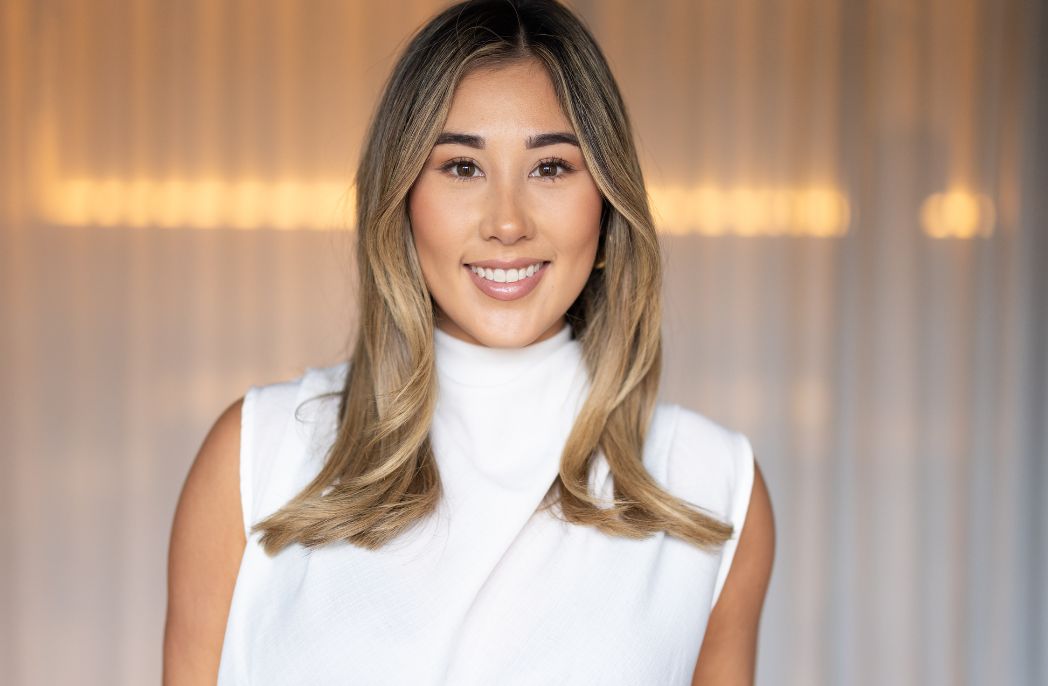
By Tina Provis
In today’s hyper-connected world, you’re only one social media post away from being cancelled.
Just as social media has the power to amplify your brand onto the global stage, it has also empowered audiences to hold public figures and brands increasingly accountable.
The power of social media has become a polarising force to be reckoned with, and in turn, it has led brands to peddle their influencer campaigns with caution.
But caution does not mean total control, and your goal shouldn’t be to tame your talent.
To effectively crisis-proof your influencer strategy, brands must look to create smart parameters that allow influencers to do what they do best while protecting your brand.
Empower your influencers
Here’s a hot take: Let influencers do the thing you hired them for.
Influencers thrive on authenticity and that’s what makes them valuable to brands. But authenticity without context can be risky if there aren’t clear guidelines in place.
When branded content misses the mark, influencers often trace the issue back to an overly prescriptive brief. Rather than handing over a rigid script, your brief should act as a framework that establishes boundaries without overriding the talent’s authenticity, creativity or content style.
When influencers understand where the guardrails are, they’re empowered to play to their strengths and create content in a way that is organic for their platform. Here lies the sweet spot for creating branded content that genuinely resonates with audiences.
Vet for values, not just virality
Risk management begins before the brief. One of the most important steps of your influencer strategy is sourcing your proposed talent. To set up for success in the long run, partner with influencers who share your brand values, have a genuine interest in the category your brand lives within, and have a tone of voice that naturally aligns with your brand.
Do your due diligence with a media audit on your talent. How do they show up in the media? Have they been involved in any past scandals? Do they uphold the same principles that your brand stands for?
At the end of the day, the right fit isn’t simply about reach or aesthetics. While many brands look to reach virality, they need to move beyond vetting for mass reach and instead ensure that their talent list shares a clear alignment in values.
If a person does not uphold the same principles your brand stands for, then there is a higher risk at stake should tensions arise.
Not only will vetting for values grant you an authentic output, but it will also help to ensure your campaign lands before the right audience.
Partnership over transaction
The best way to reduce risk? Invest in long-term relationships to establish mutual trust. In your wider strategy, influencers should be considered as true brand partners.
When you work collaboratively with influencers from the outset, they’re more likely to flag potential issues early on, speak up when something feels off and support the brand during difficult moments.
Make them part of the solution and not just the face of the product.
Your brand will never be completely risk-free. In your influencer strategy, the goal isn’t to eliminate risk; it’s to manage it strategically from start to finish. That means setting clear guardrails that empower influencers to advocate for your brand authentically, while also recognising and respecting their expertise and creative authority in the space.
In a time where one viral video can sway public opinion, the brands that win aren’t purely cautious, they’re strategic. They understand that the right influencer, with the right support, can not only avoid crises but build brand trust in ways traditional marketing never could.
Let your talent do what they do best and make sure you’ve done the work to support them when it counts.
Tina Provis is a senior influencer specialist at Havas Red
Read more: The legal advice you need when creating influencer campaigns


