

Share
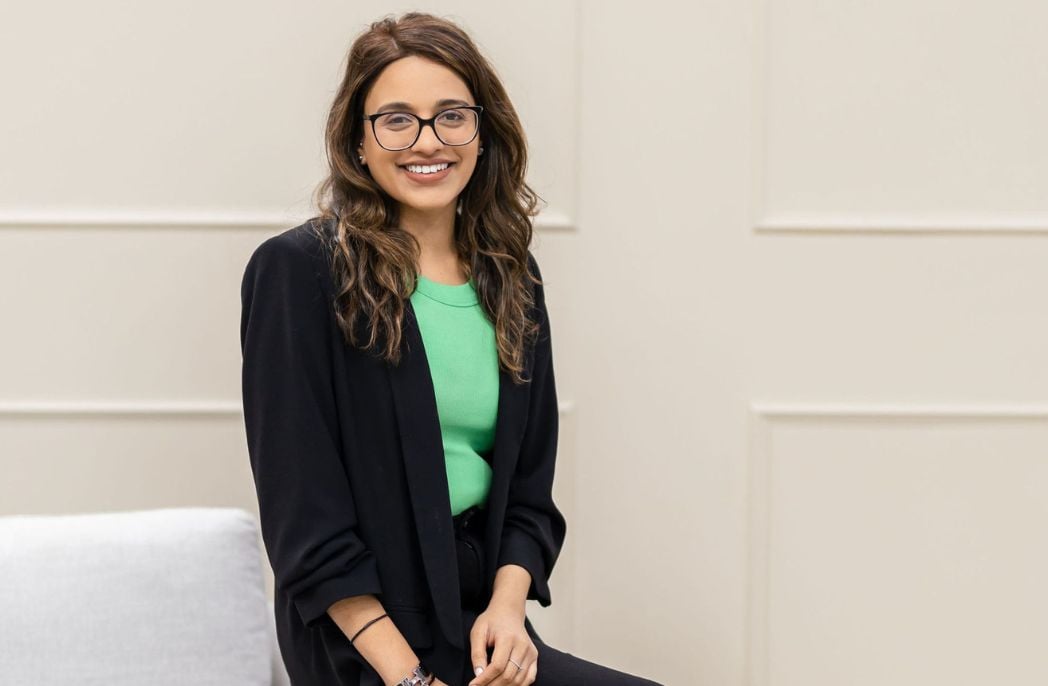
By Priya Kanniappan
If you want to understand how Australian small businesses are coping with shifting consumer expectations, look no further than the wedding industry.
Weddings represent a $4 billion market in Australia each year, with more than 15,000 active suppliers – from florists and venues to celebrants and photographers – servicing over 120,000 weddings annually. Around 1.8 million jobs are tied to the industry, either directly or through connected sectors like hospitality, retail, events and tourism.
Few purchase decisions rival the scale or emotional intensity of a wedding. Second only to buying a house or car, it’s a deeply personal, high-stakes milestone. Planning can take up to two years and is rarely straightforward – couples regularly backtrack, seek advice and consult a wide range of sources. Friends and family weigh in, social media inspires, reviews influence and trends evolve in real time. Every choice feels meaningful and every recommendation matters.
For marketers working in or around this space, the wedding industry offers a unique view into how today’s consumers think, feel and buy.
From polished to personal: The Gen Z effect
At Easy Weddings, we see firsthand how consumer expectations are changing in real time. Our recent EVOLVE 2025 conference in Melbourne brought together hundreds of Australian wedding suppliers to discuss just that. The key theme? Future couples – Gen Z – are reshaping how services are discovered, evaluated and booked.
Today’s Gen Z couples are digital natives who value authenticity above all else. Before making a single purchase decision, they’ll often explore up to 11 different touchpoints – starting on TikTok and flowing through Google reviews, Instagram, Reddit threads and Pinterest boards. Millennials, still a major force in the market, tend to consult slightly fewer sources, but their desire for genuine, values-aligned brands is just as strong.
What unites both groups is a sharp radar for anything inauthentic. They’re quick to tune out traditional sales tactics and instead are drawn to transparency, relatability and shared values. The polished, picture-perfect facade is no longer enough. What resonates now? Unfiltered behind-the-scenes clips, honest testimonials and real moments that show what it’s truly like to work with a brand. Trust isn’t built through a sales pitch – it’s earned through openness and connection.
Tech-powered trust: Automation, CRM and the new sales funnel
For the 15,000-plus SME wedding businesses in Australia, today’s consumer journey presents both challenges and opportunities.
While there are some enterprise-sized venue groups, the majority of wedding suppliers are sole traders or family-run businesses. Time is limited, and the sales cycle is deeply personal and high-pressure. To keep up, many are turning to automation. We’re seeing a rapid increase in the use of CRM systems, automated workflows and chatbots to handle early-stage communication. Automation is helping suppliers qualify leads faster, personalise follow-ups and manage availability, without losing the human touch.
Mobile-first design is no longer optional – it’s the baseline. With more than 80 percent of Australian couples planning their wedding on mobile, a supplier’s website must be fast, responsive and rich in social proof – or risk being ruled out before a conversation even begins.
Lessons from abroad: Global trends, local truths
The Australian wedding market has a unique rhythm, deeply influenced by seasonality, location and cultural traditions, but we can still learn a great deal from international markets.
In the UK and the US, suppliers are leveraging collaborative content. Think videographers and venues co-producing short-form reels to extend their reach. This approach can be localised in Australia by forming regional supplier collectives, especially in high-demand locations like the Yarra Valley, Byron Bay and the Southern Highlands.
Another international trend we’re seeing? The rise of the ‘anti-wedding’ wedding. In parts of Europe and North America, couples are moving away from tradition entirely, eschewing white dresses and formalities in favour of micro-weddings, pop-up ceremonies and non-traditional venues. These trends are beginning to influence Australian couples, and smart marketers will start reflecting this shift in tone and offerings.
What continues to be quite unique to the Australian market, however, is the growing demand for personalised experiences. Couples here aren’t just following trends – they want to put their own stamp on the day. The desire for a wedding that feels truly authentic, rather than formulaic, is stronger than ever. Cookie-cutter is out; creativity, flexibility and storytelling are in.
Future forecast: What marketers need to know
Gen Z may not dominate the wedding market just yet, but they will in the next five to 10 years, and the shift is already underway. Future couples are bringing new expectations, behaviours and decision-making patterns with them. Here’s what to watch:
- Touchpoints will keep multiplying: Marketers will need to embrace a truly omnichannel approach, from SEO, TikTok, Google reviews and Pinterest to even podcast ads.
- Authenticity will outperform polish: User-generated content, candid testimonials and real-time interactions will hold more weight than perfectly curated brand campaigns.
- Search will start with prompts: Future couples will increasingly rely on prompt-led discovery using tools like ChatGPT or voice assistants to narrow their options before ever hitting a search engine.
- Purpose will drive preference: Brands that lead with purpose – whether through sustainability, inclusivity or community impact initiatives – will resonate far more than those that don’t take a stand.
This is not a moment to rely on legacy tactics. It’s a moment to lean into authenticity, experiment with technology and, above all, listen.
The wedding industry may be emotional, but it’s also incredibly strategic. And for marketers paying attention, it offers a clear window into how the next generation of consumers expects to be understood, engaged with authentically and genuinely supported throughout their journey.
Priya Kanniappan is the marketing director at Easy Weddings.
Read more: Maestro Talent – executive recruitment for knowledge workers, but not as you know it


