

Share
At the start of this week, in its bid to make a case for continuing to be exempted from Australia’s upcoming under-16s social media ban, YouTube went on the offensive with a full-page advertisement in The Australian appealing its case in the court of public opinion.
In the advertisement, YouTube says its video service is “where teens come to learn” and “what teachers recommend”.
It references an Ipsos study conducted last year, which revealed “82 percent of teachers surveyed in Australia say learning related content on YouTube helps students spend their online time in a positive way”.
When the Online Safety Amendment (Social Media Minimum Age) Bill 2024 passed last year, platforms such as Snapchat, TikTok, Facebook, Instagram, and X were all included under its ambit.
At the time, the Bill allowed continued access to messaging, online gaming, and services and apps that were primarily for the purposes of education and health support – such as Headspace, Kids Helpline, Google Classroom and YouTube.
That decision to exempt YouTube may soon change. Its advertisement in The Australian is anchored with the words: “Built for kids. Built for parents. Built for families.” The government doesn’t seem to believe that to be the case.
According to Capital Brief, communications minister Anika Wells is reported to be set to announce a decision to revoke exemptions granted to YouTube from the social media ban within the next fortnight.
YouTube defends its position
The social media ban is expected to come into effect from 10 December, and companies that fail to comply are potentially staring at fines of up to $50 million.
Last month, the country’s eSafety commissioner confirmed that it had provided Wells with solicited advice that recommends YouTube not be excluded from the law.
“YouTube currently employs many of the same features and functionality associated with the harms that the legislation is seeking to address. These include features such as autoplay, endless content and algorithmically recommended content. These features, along with shortform video content, may encourage excessive consumption without breaks and amplify exposure to harmful content,” the commissioner said in a statement.
It stressed that as for the educational aspect of YouTube, the new law will only restrict children under the age of 16 from having their own accounts and that there is nothing in the legislation that prevents educators with their own accounts from continuing to incorporate school-approved educational content on YouTube.
YouTube is now shifting the narrative altogether, arguing that it shouldn’t be classified as ‘social media’.. “YouTube is not a social media platform; it is a video sharing platform with a library of free, high-quality content, and TV screens are increasingly the most popular place to watch,” YouTube Australia and New Zealand public policy and government relations senior manager Rachel Lord says.
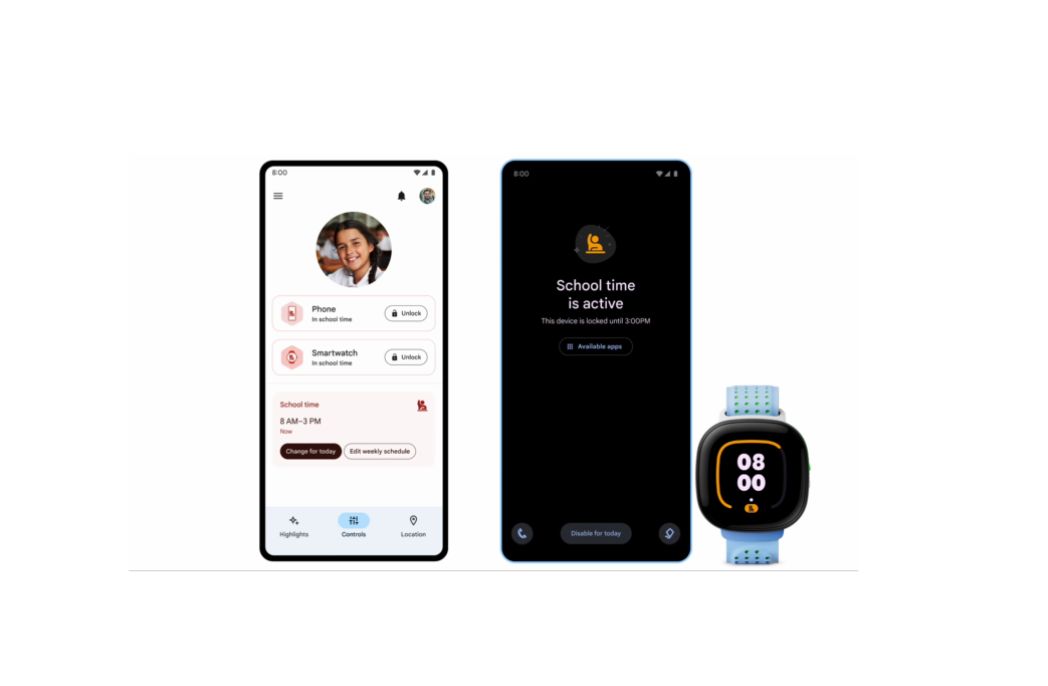
“Last year, we announced a new teen supervised experience, shaped by a nuanced understanding of how the online behaviour of young people changes as they grow older and in partnership with child development experts. This builds on the other experiences we have for younger people, such as YouTube Kids and supervised experiences for pre-teens, designed to be safer spaces for young explorers, while empowering parents with intuitive tools to tailor the experience for their family’s unique needs.”
The next few weeks will be crucial for YouTube as it finds out whether its media narrative moves the needle, or if the government decides to shift its position and include it in its social media ban instead.
Read more: First Nations stars team up with YouTube in content series, Our Makeup


