


Share
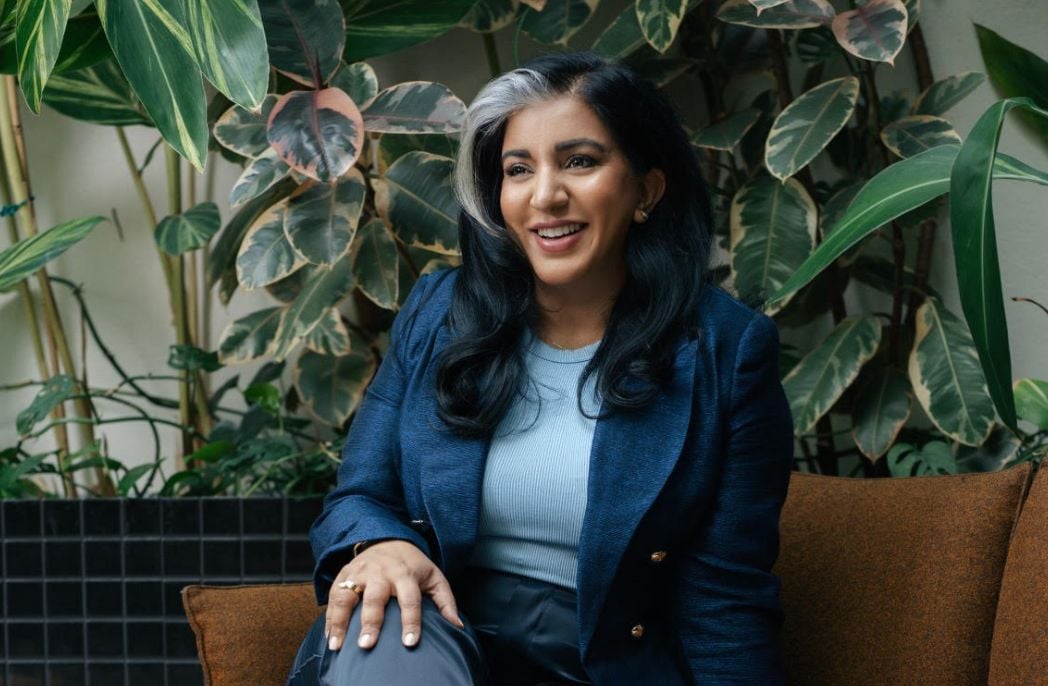
By Saarika Chotai
We don’t need yet another panel on “why women belong in leadership.” We need to listen to the women already driving revenue and hear how their methods reshape how we lead, hire, and grow.
Through the She Sells B2B podcast, I’ve interviewed female sales and marketing leaders from Adobe, American Express, LinkedIn, and Hyatt Hotels. These conversations have left me with more questions than answers about how we’re building our teams.
The numbers don’t add up
Here’s what keeps me up at night: Women in sales outperform their male counterparts across close rates, C-suite access, and retention.
Yet only 12 percent of sales leadership roles in tech are held by women. Just 8 percent of enterprise sellers are female. This feels like we’re leaving money on the table.
Through my podcast conversations, I’ve started to see patterns that make me wonder if we’re approaching sales leadership all wrong.
What I’m learning from these conversations
Most of the high-performing women I interview never planned to be in sales. (Does anyone, really?)
Still, they approach relationships differently. They build trust quickly and read situations intuitively. They guide meetings rather than dominate them. I think of this as ‘soft sales’.
When I asked about AI, most leaders felt it was still in its adolescence, yet they all agreed on one thing: AI isn’t replacing sales and marketing jobs, it’s making soft skills more valuable than ever.
This resonates with me. My first big promotion came from mapping how the customer’s entire ecosystem worked, then aligning product, sales, and marketing to speak directly to it.
It wasn’t a sexy brand campaign. It was revenue clarity and commercial intelligence.
I see this pattern repeated across my interviews.
Take Vanessa Bosnich, director of sales APAC at Spotlight Reporting. She told me about losing a major account early in her career because her manager took over her meeting and disregarded her approach.
Years later, she won that same client back by doing exactly what she’d planned to do originally: listening first, understanding their business challenges, then presenting solutions that actually fit.
It’s not revolutionary, it’s consistently effective in ways that traditional sales approaches often aren’t.
The Account-Based Marketing (ABM) connection I didn’t expect
Many of these leaders are doing ABM without calling it that. They’re breaking down walls between sales and marketing through daily collaboration, not just quarterly alignment sessions.
And here’s what surprised me: While everyone talks about ABM, GTM, and RevOps, the execution inside most organisations still feels disconnected.
Regan Barker, head of Revenue Operations at Grant Thornton, treats ABM as the force that unifies her entire revenue operation. Lara Barnett, head of Marketing at Kinetic IT, ensures marketing sits alongside sales in the office. Proximity makes for natural alignment.
As Naysla Edwards, VP Marketing ANZ at American Express, puts it: “It’s a marriage.” You can’t grow revenue in isolation.
What I’ve learned is that the leaders getting this right are designing orchestrated buyer journeys that flow across teams. No more marketing throwing leads over the fence while sales scrambles to follow up, or throws them right back deeming them poor quality.
One revenue team, shared goals, shared insights. Finally, a rhythm that actually works.
ABM done well creates trust and pipeline at scale. However, it requires a different kind of leadership than what most of us are used to.
This kind of leadership looks like:
- Daily stand-ups between sales and marketing, not monthly alignment meetings.
- Shared dashboards where both teams can see the full customer journey, not separate reporting that tells different stories.
- Marketing sitting in on sales calls and sales contributing to content strategy.
Most importantly, it’s leadership that measures success by pipeline quality and customer lifetime value, not just lead volume or individual quota attainment.
The question I can’t shake
If we want better outcomes, we need better inputs. More trust, more intelligence, more diverse voices that reflect the world we’re selling to.
The data is clear. The performance speaks for itself.
Here’s what I’m still figuring out: These conversations have revealed something uncomfortable.
The women leading revenue today often credit male champions for their success, even while navigating challenges created by…well, other men. It’s messy. It’s not the clean narrative we want about progress.
Maybe that’s why we keep building teams the same way when the evidence suggests there’s a better approach sitting right in front of us. We’re more comfortable with familiar dysfunction than unfamiliar excellence.
It’s time to build sales and marketing teams around what actually works, not what we think should work.
Saarika Chotai is the host of She Sells B2B podcast and revenue architect at The Untapped Space.


