


Share

To answer this question, we reached out to SevenRooms managing director APAC GMT, Paul Hadida. Not only a seasoned business leader, Hadida has more than 20 years of hospitality experience as an owner operator – it’s safe to say he knows a thing or two about the restaurant business. Here, Hadida drills into the metrics, the reasons for the waning influence of influencers, and how hospitality brands and marketing teams can and must adapt to keep diners coming back for more.
According to SevenRooms’ 2025 Australian Restaurant Industry Trends Report, only eight percent of Australians rely on influencers for restaurant recommendations. That’s despite almost half (47 percent) of all Australians, and 73 percent of Gen Z, still using social media to discover new venues. So, what’s changed? If Australians are still using social media but not relying on influencers, how are they discovering venues? And where are venues investing their marketing dollars?
The decline of influencer power
In the last year or so, social media platforms have changed the way their algorithms work to reward authenticity over virality. They prioritise local content, user reviews and community-driven posts instead of polished promotional material. Influencer content, especially sponsored posts, often falls short of these benchmarks, while organic content that feels more trustworthy shoots to the top of feeds.
The so-called ‘influence economy’ is saturated. Consumers are more attuned than ever to what’s paid compared to what’s personal. As many of the estimated 100 million-plus influencers promote multiple businesses, products and services – often with limited context or genuine connection – their recommendations can lose impact. Instead, there’s a growing appetite for relatability.
Today, consumers don’t just want to see where high-profile ‘foodies’ are eating, they want to hear about real experiences from people like them. They want transparency and authenticity; stories of people like them, with similar values, budgets and tastes. In an age where trust is a critical currency online, influencer marketing might have reached its peak in the hospitality industry. For Australian restaurants, a new model is rising to take its place.
Brand collaborations are in
According to our research, 42 percent of Australian hospitality operators are shifting their investment toward brand collaborations – partnerships that not only reach new audiences but do so with credibility and meaning. These collaborations allow venues to engage diners through shared values and unique experiences, which are critical priorities for today’s diners.
Unlike influencer content, brand partnerships aren’t about surface-level promotion. They’re about co-creation and teaming up with businesses, brands or voices that are aligned with the venue, and enable it to create a genuinely compelling offer for its customers.
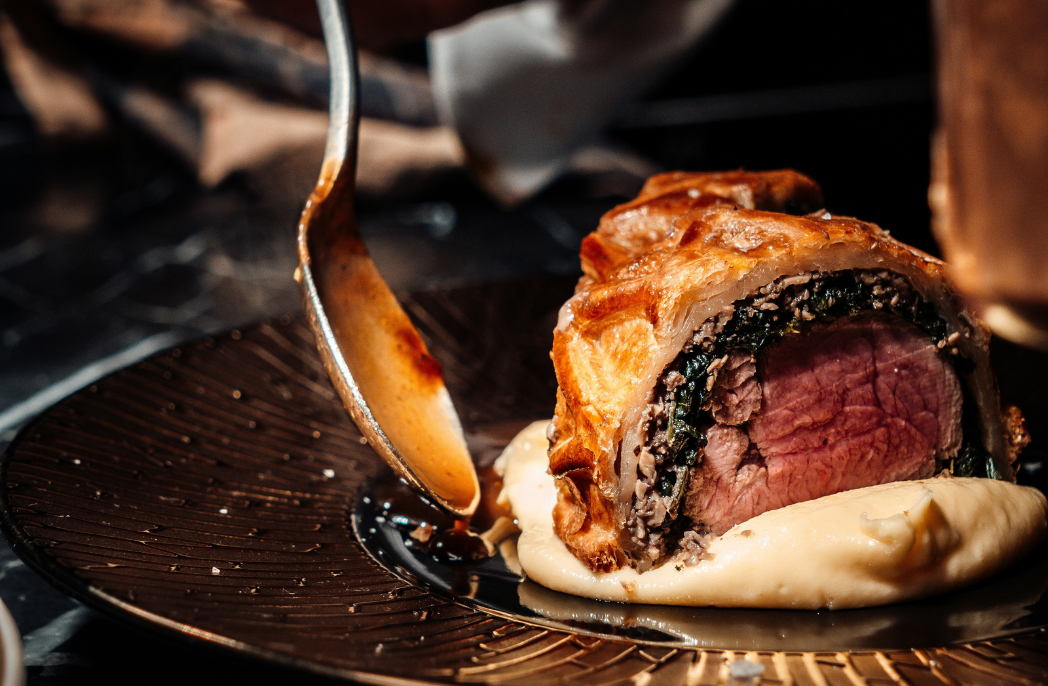
Two fantastic examples are Captain Baxter x Minuty and Hazel Melbourne x Harvest Stack. These are more than just social collabs, they’re strategic partnerships that tap into aligned audiences and create elevated dining moments that capture attention. Whether it’s the allure of a truly exceptional cut of meat from Harvest Stack or the pull of a Mediterranean-themed party in Melbourne, Hazel Melourne and Captain Baxter are using brand partnerships to provide enticing, elevated and unique experiences.
The key to successful collabs for venues
The most effective collaborations are those where the two businesses share common ground. If the link is tenuous, the impact is limited. When a venue aligns with a partner whose values reflect its own, the collaboration feels more authentic and credible to diners. But alignment is just the start.
The partnership must also create tangible value for guests. Today’s diners are willing to spend more for memorable experiences, and our research shows that 74 percent of Australians have returned or plan to return to a restaurant after a unique experience. Whether it’s through a co-hosted event, a curated tasting menu or exclusive access to limited-time offerings, the collaboration should offer something new that diners can’t find elsewhere.
Visibility also plays a crucial role. While social media commands attention and drives impact, Google is the top discovery tool for one in three Australians. That’s why many operators are investing in organic Google strategies and paid advertising. Ensuring your business is easy to find and the experience is easy to book is essential to driving awareness and conversion.
Venues must also ensure they’re using technology that enables them to track the full impact of a campaign, collecting approved guest data along the way. With campaign tracking, venues can understand what did and didn’t work, refining their future approach with insight rather than intuition. And with guest data, venues can create 360-degree views of their guests’ habits and preferences, from average spend to favourite dishes, so they can roll out tailored marketing automation.
Brand collaborations play a pivotal role in guest engagement. Nearly nine in 10 Australians are open to signing up for restaurant marketing updates, but they want value in return. Exclusive perks and local partnerships are the top reasons they opt in. Whether a wine club with a local vineyard, selling curated spice kits with signature dishes or teaming up with a boutique retailer to sell glassware or table linens, collaborations can turn first-time diners into loyal, repeat guests.
Influencers may still have a place on the menu, but they’re no longer the main course. As consumers crave more authenticity and transparency, brand collaborations offer a smarter, more sustainable way forward. In a new era of hospitality, where personalisation, purpose and experience drive loyalty, these are the strategies that capture attention, enhance relationships and boost revenue.
As Australia managing director, APAC GTM for SevenRooms, Paul Hadida is responsible for expanding the company’s business and on-the-ground presence in the Asia-Pacific region. As a senior leader with experience in SaaS and high-growth marketplaces, Hadida has an impressive track record of scaling businesses across Australia, including as APAC vice president at Quandoo, and in various sales leadership roles at Catch Group. He also has more than 20 years of hospitality experience, including as an owner-operator.


